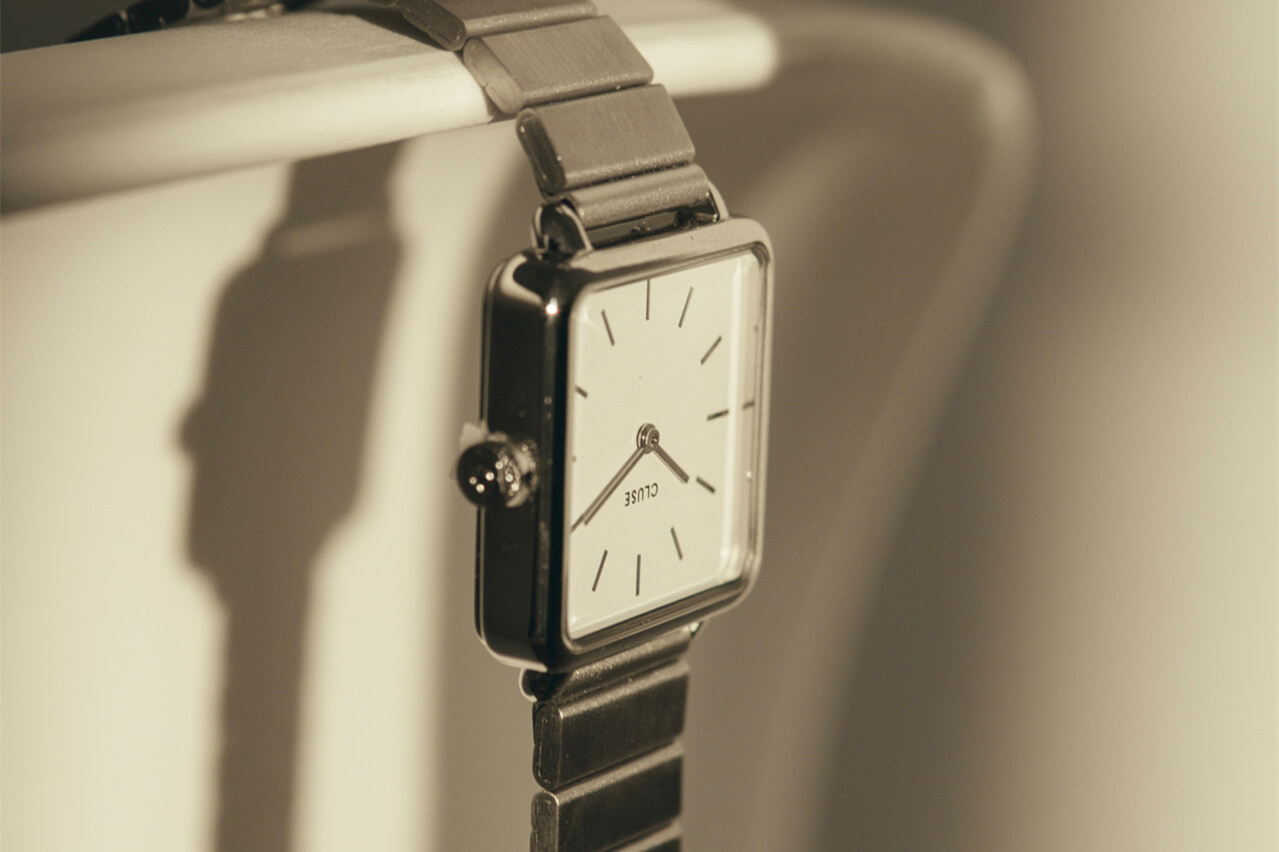
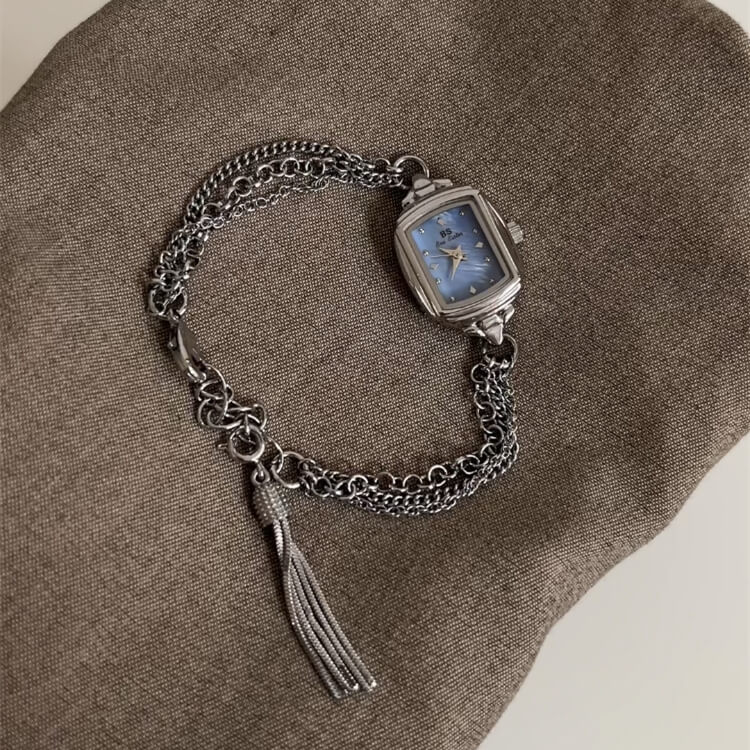
In the realm of timepieces, the material composing a watch case holds pivotal importance, dictating both aesthetics and durability. Among the array of materials available, brass and stainless steel stand out prominently. Each boasts unique characteristics, sparking a perpetual debate among horologists and watch enthusiasts alike— which reigns supreme?
Let’s delve into the nuanced attributes of brass and stainless steel, unraveling the intricacies that define their suitability for crafting impeccable timepieces.
Read the whole material description
A gold-colored watch is not necessarily made from gold, and a stainless steel bracelet does not prove that the case is stainless steel. Read the case, case-back and bracelet descriptions separately. If a listing names several materials without assigning them to components, ask for clarification. A label such as “stainless steel back” describes the back, not automatically the entire case. Likewise, “alloy” does not identify a specific metal composition.
Reading Product Material Labels
Illustrative example
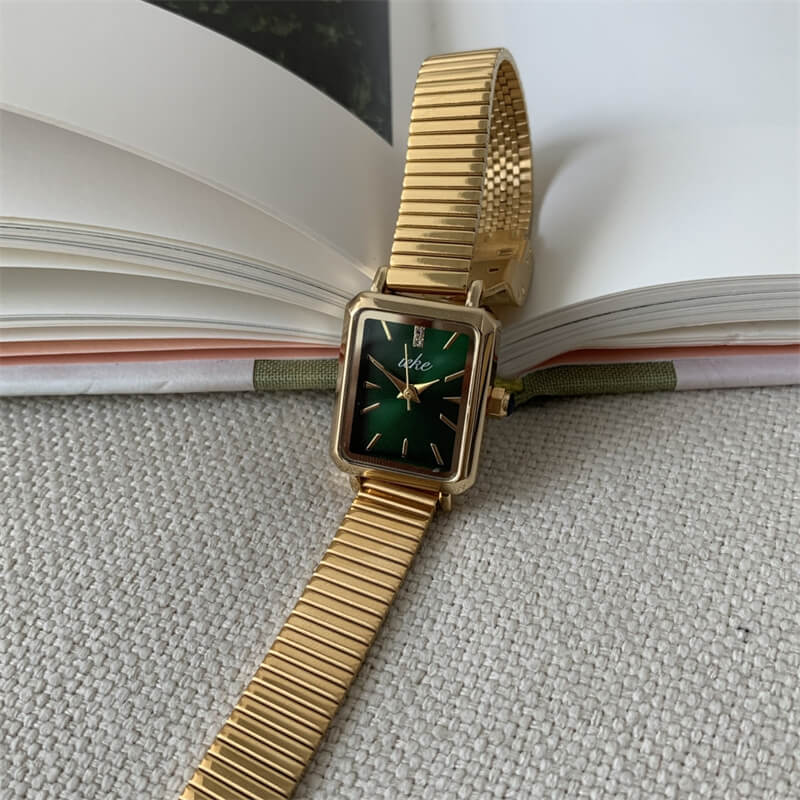
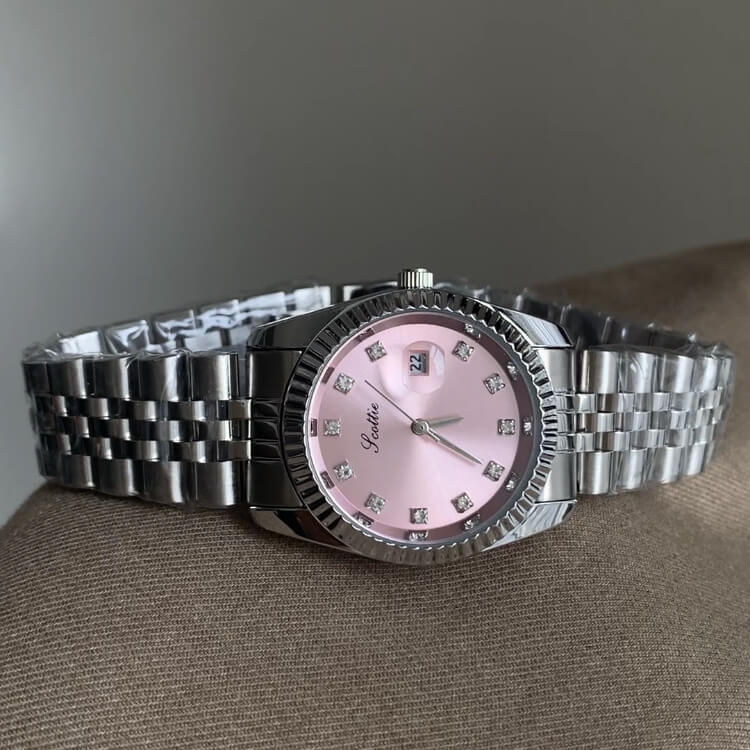
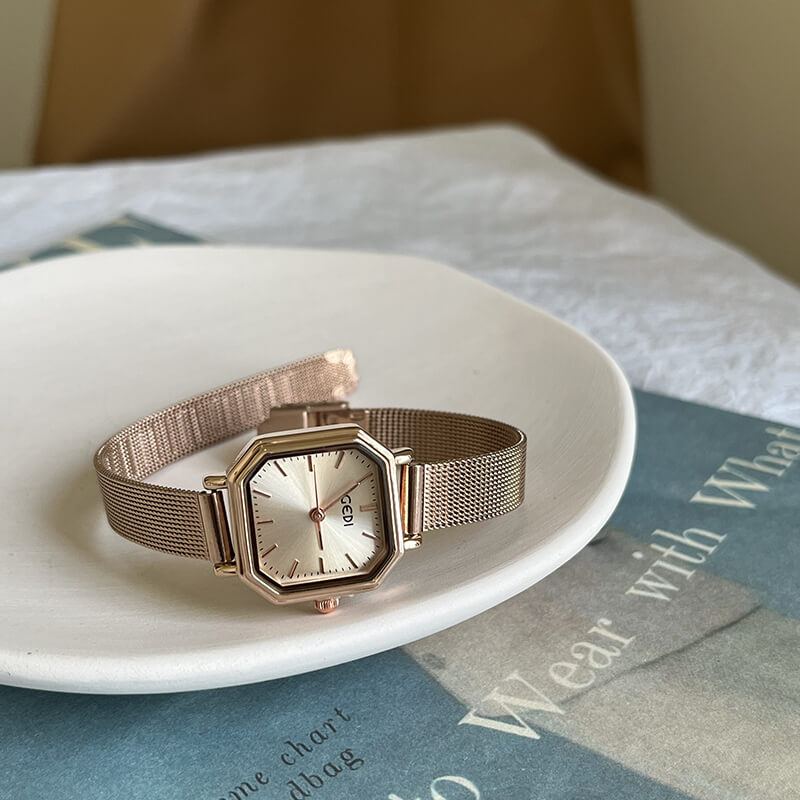
Product-label example: the Square Face Gold Green Bracelet Watch lists several case materials and identifies the bracelet separately as stainless steel. This is a reason to check component details, not to describe the whole watch as solid steel. Compare the exact specifications before choosing by color alone.
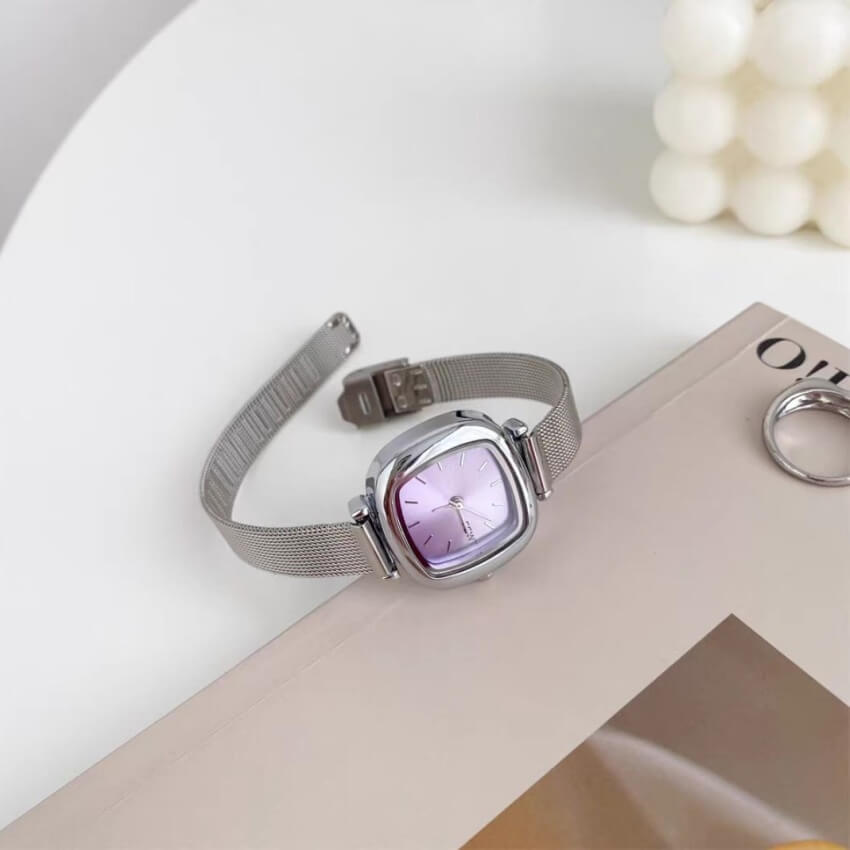
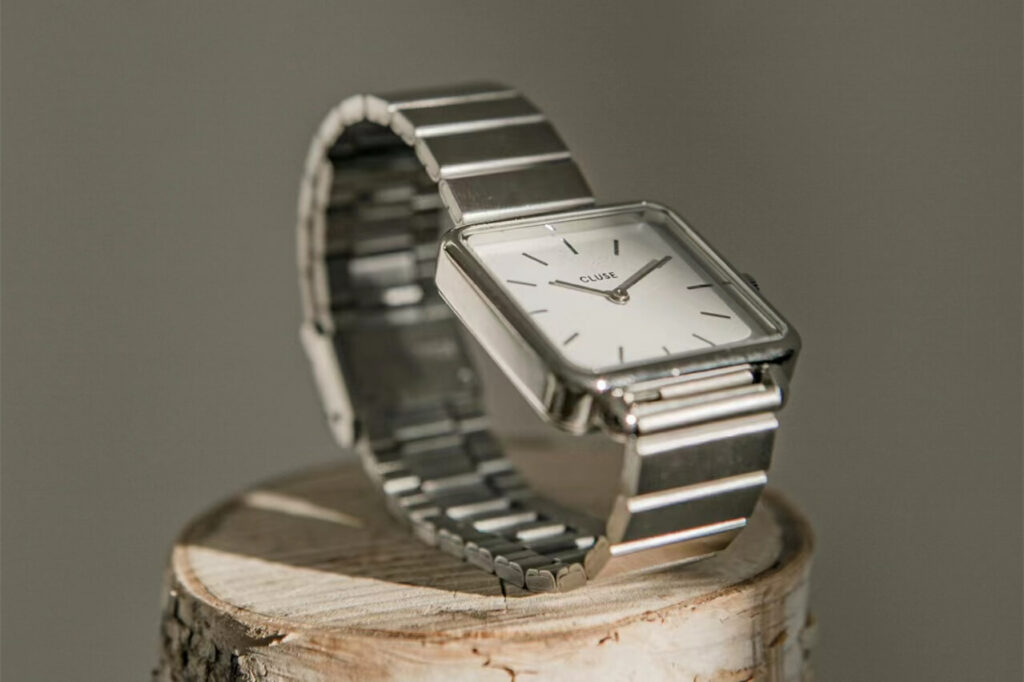
For comparison, the Dainty Style Silver Small Square Women’s Watch lists glass and stainless steel among its case materials and identifies the band as stainless steel. These details should still be read component by component. The listing alone does not confirm a particular steel grade, so it should not be expanded into a claim of 316L construction.
For comparison, the Dainty Style Silver Small Square Women’s Watch lists glass and stainless steel among its case materials and identifies the band as stainless steel. These details should still be read component by component. The listing alone does not confirm a particular steel grade, so it should not be expanded into a claim of 316L construction.
Brass, an alloy of copper and zinc, boasts a rich history dating back centuries. Its warm, golden hue and malleability have made it a favored material for various ornamental and functional uses. When applied to watchmaking, brass infuses timepieces with a vintage charm, evoking a sense of timeless elegance.
The Allure of Brass in Watchmaking
Brass has a long history in decorative and functional objects, including watchmaking. Its malleability allows it to be shaped into varied case designs, while its naturally warm color can contribute to a classic appearance.
The way a brass watch case changes over time depends on its finish. Bare brass can develop a patina as its exposed surface reacts with its surroundings. Some wearers appreciate these changes, but they should not be treated as a feature of every brass watch.
A plated or coated brass case has a different exposed surface. Its visible color and aging behavior depend on that finish, so descriptions of bare brass developing a patina should not automatically be applied to a plated fashion watch. Check the finish of the exact model before choosing it for a particular appearance.
While brass exudes a distinctive charm and heritage in watchmaking, several essential considerations warrant attention when contemplating this alloy for crafting watch cases.
The finish changes the care routine
Bare brass and a coated brass case should not be treated as the same surface. Brass can be finished with coatings or plating, so care instructions need to match the actual finish. Avoid treating a plated fashion watch with an abrasive metal polish unless the manufacturer specifically permits it. Stainless steel resists corrosion, but it can still develop marks or corrosion under unsuitable conditions. Water resistance is a separate specification: the case material alone does not make a watch suitable for swimming.
Weight and Comfort: The density of brass results in a slightly heavier watch compared to those fashioned from lighter materials. While some enthusiasts appreciate the substantial feel on the wrist, others might find prolonged wear uncomfortable, especially in larger or bulkier designs. Evaluating personal comfort preferences becomes crucial when opting for a brass-cased timepiece.
Environmental Factors: Brass’s reaction to environmental elements merits consideration. Exposure to moisture, humidity, or harsh chemicals can expedite the development of a patina or even lead to corrosion. Individuals leading highly active or adventurous lifestyles may need to exercise caution to ensure their brass-cased watches retain their allure amidst varying environmental conditions.
Aesthetic Evolution: The evolving nature of brass, characterized by the development of a patina, is both a defining attribute and a point of contention for enthusiasts. While some cherish the unique, weathered appearance that emerges over time, others may prefer the pristine, unblemished look of a watch case. This aesthetic evolution is subjective and hinges upon personal tastes, making it imperative to align with one’s preferences before opting for a brass-cased timepiece.
Long-Term Viability: Considering the longevity of a watch is crucial when contemplating a brass case. While the patina imbues character and depth, it’s essential to envision how this evolving appearance aligns with long-term wear. Assessing whether the patina enhances or detracts from the overall appeal of the watch over extended periods aids in making an informed decision.
Price Point and Value: Brass offers a cost-efficient alternative in watchmaking compared to materials like gold or platinum. Its affordability allows for the creation of aesthetically pleasing timepieces at a more accessible price point. However, evaluating the balance between cost and long-term value becomes pertinent, especially concerning durability and maintenance costs associated with brass over time.
In the tapestry of watch materials, brass presents a compelling narrative of history and character. However, prospective owners must weigh these factors meticulously to align with their lifestyle, preferences, and expectations from a timepiece.
The Merits of Stainless Steel
Stainless steel stands as an enduring pillar in the realm of watchmaking, revered for its remarkable attributes that define modern timepieces. This robust alloy, a blend primarily composed of iron, chromium, and other elements, encapsulates a plethora of advantages that have cemented its status as a preferred material for crafting watch cases.
Unparalleled Durability: The hallmark characteristic of stainless steel lies in its exceptional durability. Renowned for its resistance to scratches, corrosion, and tarnishing, stainless steel endows watches with a steadfast resilience that ensures a lasting, unblemished appearance. This inherent robustness makes stainless steel watches ideal companions for everyday wear, withstanding the rigors of various environments and activities.
Versatility in Aesthetics: Stainless steel presents an expansive canvas for watchmakers to exhibit their artistry. Its adaptability to diverse finishing techniques—be it polished, brushed, or matte—offers a spectrum of visual aesthetics, catering to a wide array of tastes and preferences. Whether evoking a sleek, contemporary allure or a classic, timeless elegance, stainless steel effortlessly adapts to the envisioned design of a timepiece.
Low Maintenance, High Longevity: The minimal upkeep required for stainless steel watches distinguishes them as hassle-free companions. Unlike materials prone to oxidation or patina development, stainless steel maintains its pristine appearance with nominal maintenance. A simple wipe with a soft cloth suffices to restore its sheen, ensuring that the watch remains immaculate for years to come.
Resilience in Varied Environments: The innate resistance of stainless steel to corrosion renders it suitable for diverse environmental conditions. Whether exposed to moisture, humidity, or fluctuating temperatures, stainless steel watches exhibit a steadfast demeanor, making them dependable accessories for individuals traversing diverse terrains and climates.
Emblem of Modernity and Prestige: Stainless steel, synonymous with contemporary elegance, has transcended its utilitarian roots to symbolize prestige and sophistication in the world of horology. Its association with luxury watches underscores its enduring allure and its ability to seamlessly blend with both casual and formal attire, exuding a sense of refined style.
Retained Aesthetics Over Time: Unlike certain materials that develop patina or age-related characteristics, stainless steel maintains its original appearance steadfastly. While some collectors value the evolving nature of materials like brass, stainless steel appeals to individuals seeking a consistent, unchanging aesthetic throughout the lifespan of their timepieces.
Value Proposition: While stainless steel may not possess the prestige of noble metals like gold or platinum, its compelling combination of durability, aesthetics, and affordability makes it an excellent value proposition. It strikes a balance between high-quality craftsmanship and accessibility, offering a prestigious feel without an exorbitant price tag.
In the tapestry of watch materials, stainless steel emerges as a stalwart, embodying a fusion of durability, versatility, and contemporary elegance. Its enduring merits position it as a cornerstone material in the creation of timepieces that seamlessly blend style with functionality.
Advantages of Stainless Steel in Watches
In the intricate world of timepieces, the choice of material for a watch case extends beyond aesthetics—it encompasses durability, functionality, and a reflection of craftsmanship. Stainless steel, a stalwart in the realm of watchmaking materials, boasts a myriad of advantages that have solidified its status as a preferred choice for crafting enduring timepieces.
Unrivaled Durability: At the forefront of stainless steel’s attributes lies its exceptional durability. The alloy’s composition, fortified with chromium and other elements, renders it highly resistant to scratches, corrosion, and tarnishing. This innate strength ensures that stainless steel watches maintain their impeccable facade even after years of daily wear, with minimal signs of aging.
Enduring Luster: The inherent sheen of stainless steel adds an undeniable allure to timepieces. Whether polished to a mirror-like finish or brushed for a subdued elegance, stainless steel exudes a lustrous charm that remains steadfast over time. Its ability to retain this captivating shine with minimal maintenance underscores its enduring appeal.
Versatility in Design: Stainless steel’s adaptability lends itself seamlessly to a myriad of design concepts. Watchmakers leverage this versatility to create an extensive range of styles, from sporty to sophisticated, catering to diverse tastes and preferences. Its ability to harmonize with various watch components, such as bezels, dials, and bracelets, grants designers unparalleled freedom in creating visually striking timepieces.
Ease of Maintenance: Stainless steel watches necessitate minimal upkeep to preserve their pristine appearance. A simple wipe with a soft cloth suffices to remove smudges or fingerprints, restoring the watch’s gleam effortlessly. This low-maintenance attribute resonates with individuals seeking functional yet elegant accessories that complement their busy lifestyles.
Hypoallergenic Properties: For wearers with sensitive skin, stainless steel serves as an ideal choice. Its hypoallergenic nature ensures compatibility with a broad spectrum of skin types, minimizing the risk of allergic reactions or skin irritations that might arise from other materials commonly used in watchmaking.
Environmental Resilience: Stainless steel’s resistance to environmental factors such as moisture, humidity, and temperature fluctuations ensures its longevity. Whether worn during leisurely strolls or rugged adventures, stainless steel watches maintain their integrity, making them reliable companions for various activities and terrains.
Affordability and Accessibility: Compared to noble metals like gold or platinum, stainless steel offers a blend of prestige and accessibility. Its ability to exude luxury without an exorbitant price tag widens the appeal of stainless steel watches, making them attainable for a broader audience seeking high-quality timepieces.
In the mosaic of watchmaking materials, stainless steel emerges not just as a metal of choice but as a symbol of enduring elegance, resilience, and functional sophistication. Its amalgamation of durability, aesthetic appeal, and accessibility solidifies its standing as a cornerstone material in crafting timeless watches that transcend fleeting trends.
Factors to Weigh with Stainless Steel
While stainless steel stands as a pinnacle material in watchmaking, several key considerations merit contemplation when assessing its suitability for crafting timepieces.
Weight and Comfort: Stainless steel, though prized for its durability, may impart a considerable weight to a watch. For individuals seeking a timepiece that feels substantial on the wrist, this attribute can be appealing. However, for those with preferences leaning towards lighter accessories, the weight of stainless steel watches might pose a comfort concern, especially in larger or bulkier designs.
Polishing and Finishing: Stainless steel watches, despite their resilience to scratches, are not entirely impervious to blemishes. While minor scratches may be less conspicuous on a brushed or matte finish, they could be more visible on highly polished surfaces. This consideration may influence preferences for specific finishes, depending on one’s tolerance for visible wear and tear.
Aesthetic Consistency: Unlike materials like brass or bronze that develop a patina over time, stainless steel maintains a consistent appearance throughout its lifespan. While this attribute ensures a perpetually sleek and pristine look, it might lack the individualistic character or storytelling that evolves with other materials. Individuals seeking a watch with a unique, evolving visual narrative might find this attribute less appealing.
Cost and Value Proposition: Stainless steel, while more affordable compared to noble metals, can vary in price based on factors like brand, craftsmanship, and design intricacy. Evaluating the balance between the perceived value of a stainless steel watch and its associated costs becomes pivotal. Some collectors may prioritize the craftsmanship and brand heritage over the material, while others might seek specific finishes or design elements, affecting the price point.
Style and Versatility: Stainless steel’s adaptability enables it to seamlessly complement various styles, from casual to formal attire. Its ability to harmonize with different outfits and occasions endows stainless steel watches with a versatile appeal, making them suitable companions for diverse settings. However, for individuals seeking a timepiece with a more distinctive or specialized aesthetic, the ubiquitous nature of stainless steel might detract from its allure.
Longevity and Resale Value: Stainless steel watches, owing to their durability and timeless appeal, often retain their value well over time. Collectors and enthusiasts frequently seek stainless steel models due to their enduring popularity and robustness, making them a sound investment. Assessing the long-term value retention potential becomes significant, particularly for individuals considering their watch as a potential heirloom or investment piece.
In the realm of watchmaking, stainless steel’s virtues are apparent, but careful consideration of these factors allows individuals to align their preferences, expectations, and lifestyle with the attributes of this enduring material.
Ask four questions before comparing two watches
What is the case body made from? What touches the skin, including the back and clasp? Is the visible color a coating or the base material? What cleaning and water-exposure instructions apply to this model? These answers are more useful than assuming that a gold-tone watch is brass or that every silver-tone watch is steel. For known material sensitivities, do not rely on a general “hypoallergenic” claim; ask for model-specific information.
Material labels also need to be read precisely. “Stainless steel back” identifies the case back, not the whole case, while “alloy” leaves the exact composition unspecified. Brass is a copper-zinc alloy, but a listing that says “copper” does not confirm a brass case or identify which component uses that material. A gold-tone finish describes appearance rather than solid-gold construction.
Choosing the Right Material for Your Watch
Amidst the myriad of materials available for crafting watch cases, the decision-making process extends beyond mere aesthetics—it intertwines personal preferences, lifestyle considerations, and the inherent attributes of each material. Whether it’s the vintage allure of brass or the enduring strength of stainless steel, selecting the right material for your watch involves a thoughtful evaluation of several key aspects.
Personal Style and Preferences: Your watch isn’t just a timekeeping device; it’s an expression of your personality and style. Consider the aesthetics that resonate with you—do you gravitate towards the warmth and evolving charm of brass, or do you prefer the timeless allure and resilience of stainless steel? Your affinity for a particular material often aligns with your tastes and the story you wish your timepiece to convey.
Intended Usage and Lifestyle: Assessing how and where you plan to wear your watch plays a pivotal role in material selection. If your lifestyle involves rugged activities or exposure to harsh environments, the durability of stainless steel might be more suitable. Conversely, if you value a vintage aesthetic and are willing to invest time in maintenance, the evolving patina of brass could align with your lifestyle.
Longevity and Durability: Consider the longevity you desire in your timepiece. Stainless steel, renowned for its resilience to scratches and corrosion, may offer greater longevity without the need for extensive maintenance. Conversely, while brass possesses a captivating aging process, its softer nature might require more attentive care to maintain its appearance over time.
Emotional Connection and Storytelling: Some watch enthusiasts find allure in the evolving character of materials like brass, which develop unique patinas influenced by the wearer’s experiences. The patina becomes a testament to the passage of time and the shared journey between the watch and its owner. Conversely, stainless steel maintains a consistent appearance, lacking the evolving narrative that comes with materials that age and transform.
Financial Considerations: Your budget can significantly influence the material choice for your watch. Brass often offers a more affordable option, enabling access to vintage aesthetics at a lower price point. On the other hand, stainless steel, while slightly more expensive, may present a better long-term investment due to its durability and retained value.
Brand and Craftsmanship: The reputation of the watchmaker and the craftsmanship involved in creating the timepiece can sway material preferences. Some brands are known for their mastery in working with specific materials, influencing collectors’ decisions based on brand heritage and craftsmanship.
In the journey of selecting the right material for your watch, it’s crucial to weigh these factors against your personal inclinations, intended usage, and the story you wish your timepiece to tell. Whether it’s the enduring appeal of stainless steel or the nostalgic charm of brass, the material you choose becomes an integral part of your watch’s identity—a reflection of your style, aspirations, and individuality.
Frequently Asked Questions
Is stainless steel scratch-proof?
No. Corrosion resistance is not the same as scratch resistance, and surface finish affects how visible wear becomes.
Does copper in a listing prove a brass case?
No. Brass is a copper-zinc alloy, but a listing that simply says copper does not confirm the alloy or identify the exact component.
Is stainless steel suitable for everyone with sensitive skin?
No material label guarantees suitability for everyone. Check the exact components and obtain appropriate advice if you have a known sensitivity.
Conclusion
In the brass vs. stainless steel debate, there’s no definitive winner. Each material carries its own set of virtues and considerations, catering to the distinct tastes and requirements of watch enthusiasts.
Ultimately, the choice between brass and stainless steel for your watch case hinges on the desired aesthetics, durability, and personal inclinations. Both materials bring their unique flair to timepieces, ensuring a diverse array of options for every discerning watch lover.
Whether you’re drawn to the vintage allure of brass or the enduring strength of stainless steel, the essence of horology lies in finding that perfect timepiece that resonates with your style and preferences.
In the world of watches, it’s not just about telling time—it’s about defining it with an accessory that reflects your story, passions, and individuality.
As you explore the realm of chic watches, may your journey be guided by the allure of craftsmanship and the timeless elegance of these remarkable timepieces.
 Skip to content